



BLOG
What camera systems does Fleet Focus offer and how many cameras can I fit per vehicle?
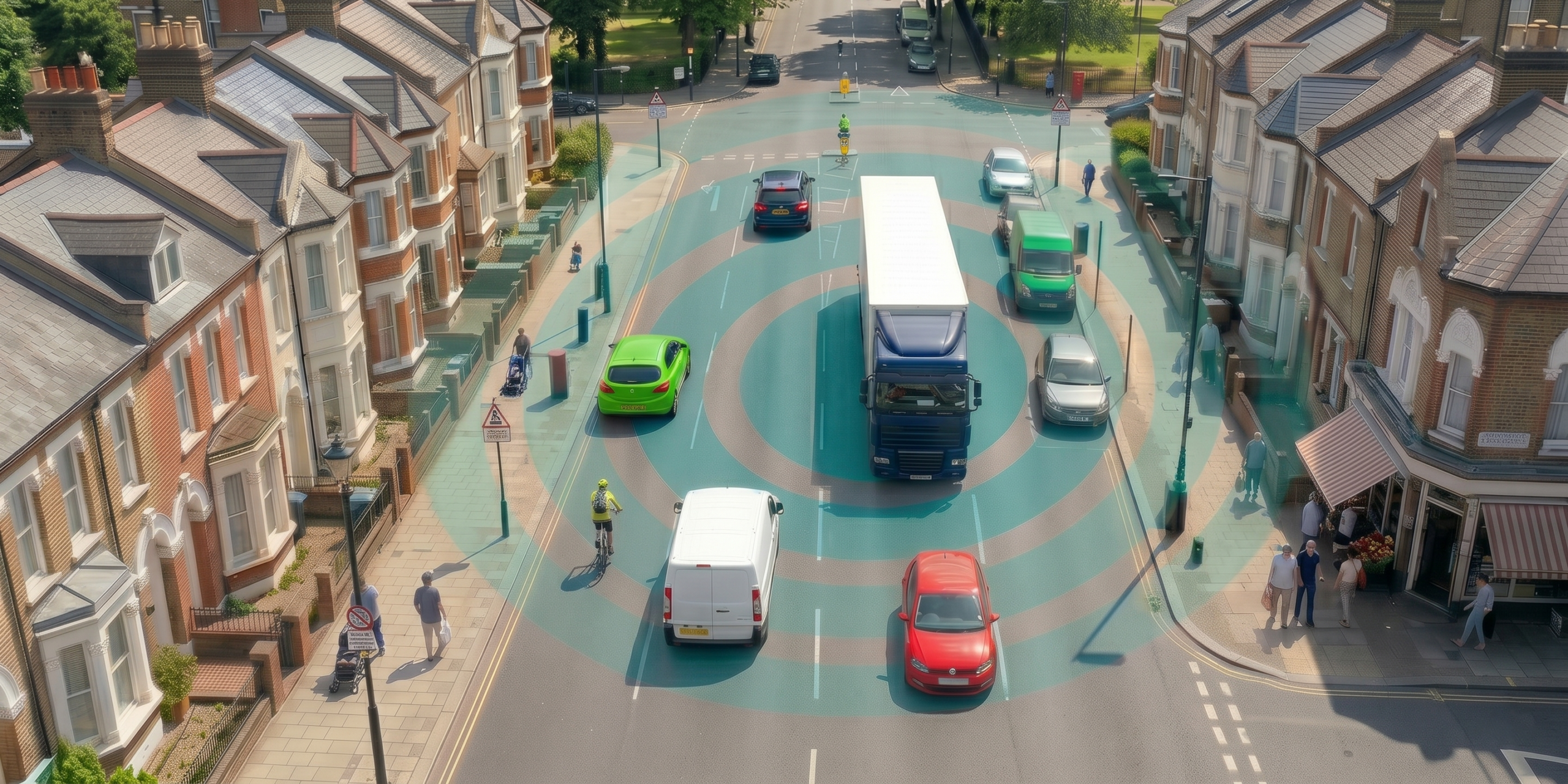
Scalable Multi-Camera Architecture and Unified Processing
The camera system at the heart of the Fleet Focus platform has been designed to give fleet operators complete visual coverage of every vehicle, in every operating condition, without requiring a separate system for each function. The result is a multi-camera architecture that scales from a single forward-facing dashcam on a small van to a full eight-camera installation on a construction HGV or specialist vehicle, all managed through the same cloud platform, with the same AI processing, the same evidence-grade video quality and the same real-time alert capability.Visual Coverage Requirements and Blind Spot Mitigation
Understanding the camera options begins with understanding what coverage a commercial vehicle actually needs. A forward-facing camera captures what the driver can see, the road ahead, approaching hazards, traffic behaviour, road surface conditions. It is the most commonly fitted camera and the one most likely to provide exculpatory evidence in the event of a front-impact collision or a fraudulent claim staged in front of the vehicle. But a forward-facing camera alone leaves significant blind spots. It cannot show what happened on the driver’s side, the passenger side or the rear. It cannot capture the interior of the cab where phone use, fatigue and seatbelt compliance occur. And it cannot cover the reversing arc where many serious incidents involving pedestrians, cyclists and other vehicles take place.System Scalability and Compliance Configurations
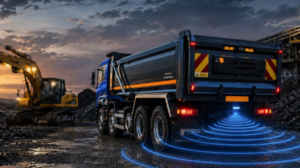
Fleet Focus supports up to eight HD cameras per vehicle, enabling operators to build the coverage profile that matches their specific risk exposure. A typical configuration for an HGV might include a forward-facing AI camera in the windscreen position, an interior cab camera monitoring the driver, nearside and offside side cameras covering the blind spot areas most relevant to vulnerable road user incidents, and a rear-facing camera covering the reversing and manoeuvring zone. For vehicles operating on CLOCS or DVS requirements in London, additional cameras can be positioned to provide the detection and notification coverage specified under the Progressive Safe System standard.Video Compression Standards and Storage Efficiency
All Fleet Focus cameras record in high definition, using HEVC (High Efficiency Video Coding) compression technology. HEVC is the current generation video standard, storing and uploading footage up to 40% more efficiently than the H.264 format used by older dashcam systems. For fleet operators, this efficiency has practical consequences: longer on-device storage before footage is overwritten, faster upload times when events are transmitted to the cloud, lower data costs over the life of the contract, and higher-quality video at any given file size. When footage is needed as evidence, whether for an insurance claim, a police investigation or an internal coaching review, the quality of HEVC-compressed HD footage holds up to scrutiny in a way that older lower-resolution systems do not.Automated Machine Learning and Real-Time Event Detection
The AI processing capability of the camera system is equally important. Fleet Focus cameras are not passive recording devices. They run active machine learning algorithms on the video stream in real time, identifying safety events, detecting fatigue and phone use, recognising the driver via Face Match facial recognition, and triggering alerts within seconds of an event occurring. This on-device AI processing means the system responds to risk as it unfolds rather than flagging it hours later when footage is reviewed by a human operator.Equipment Adaptation for Specialist and Construction Vehicles
For specialist and construction fleets, Fleet Focus has experience fitting systems to a wide range of vehicle types beyond standard HGVs and vans. This includes concrete pump trucks, refuse collection vehicles, tipper trucks, tankers, recovery vehicles, and passenger transport. Each vehicle type presents different coverage challenges, a refuse truck needs different camera placement from a curtain sider trailer, and a concrete pump truck with a long-reach boom needs a different approach again. The Fleet Focus engineering team works with operators during the installation design phase to specify camera positions that deliver meaningful coverage for the actual operating environment.Remote Monitoring and Live Stream Functionality
Live streaming capability is included across the camera range. Authorised users can open a live view from any camera on any connected vehicle through our platform, from any device, at any time. This is particularly valuable for fleet managers responding to an incident in real time, for transport supervisors verifying driver welfare during long-distance runs, and for operators needing to confirm that a vehicle has arrived at a site or is positioned correctly for a delivery or collection.Telematics Integration and Operational Context
The Fleet Focus camera system also integrates fully with the broader our platform telematics platform, meaning camera footage is correlated automatically with GPS location, speed data, CANbus vehicle data and driver identification. When reviewing a safety event, a fleet manager sees not just the video clip but the complete operational context: where the vehicle was, how fast it was travelling, what the road conditions were, who was driving and what vehicle data was being generated at that moment. This integrated view is qualitatively more useful than a standalone dashcam system that produces video without context.Speak to the Fleet Focus team on 0800 009 3006 or request a call back.
Conclusion: Evaluating the Value of Integrated Systems
Camera coverage is not a commodity, the number of cameras, the quality of the image and the intelligence built into the system determine whether footage is genuinely useful when it matters most. Fleet Focus provides up to eight HD cameras per vehicle with AI processing built in, giving operators the complete visual record they need for safety management, compliance evidence and claim defence. The right camera configuration, specified correctly for your vehicle types, is one of the highest-return investments a fleet can make.References
- HEVC (H.265) Video Compression Standard – ISO/IEC 23008-2. International Organisation for Standardisation. Available at: https://www.iso.org/obp/ui/es/#iso:std:iso-iec:23008:-2:ed-6:v1:en
- DVSA – Commercial Vehicle Operator’s Guide. Available at: https://www.gov.uk/guidance/goods-vehicle-operator-licensing-guide Transport for London – Direct Vision Standard and Safety Permit. Available at: https://tfl.gov.uk/info-for/deliveries-in-london/delivering-safely/direct-vision-in-heavy-goods-vehicles
- Fleet Focus – Our platform Camera System Specifications, 2024.
Book Your Free Trial
Take control of trailers, tools and equipment with Fleet Focus BLE tracking. Simple to install, low cost, fully integrated, and built for real fleets.