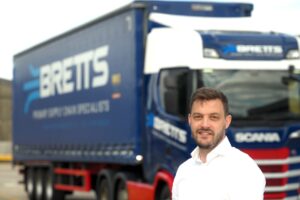
"It’s helping, it’s not hindering"
The question every transport manager has already answered in their own head.
There’s a conversation that happens in every transport office in the country. Sometimes it happens out loud, across a desk, with a driver who has just been asked about a harsh braking event. Sometimes it happens quietly, at half past six in the morning, with nobody else in the room.
Is a camera in the cab there to help the driver, or to catch them out?
It’s a fair question. It deserves a better answer than the one the industry usually gives, which is a shrug and a mention of insurance premiums.
What a transport manager who lives with it every day actually says
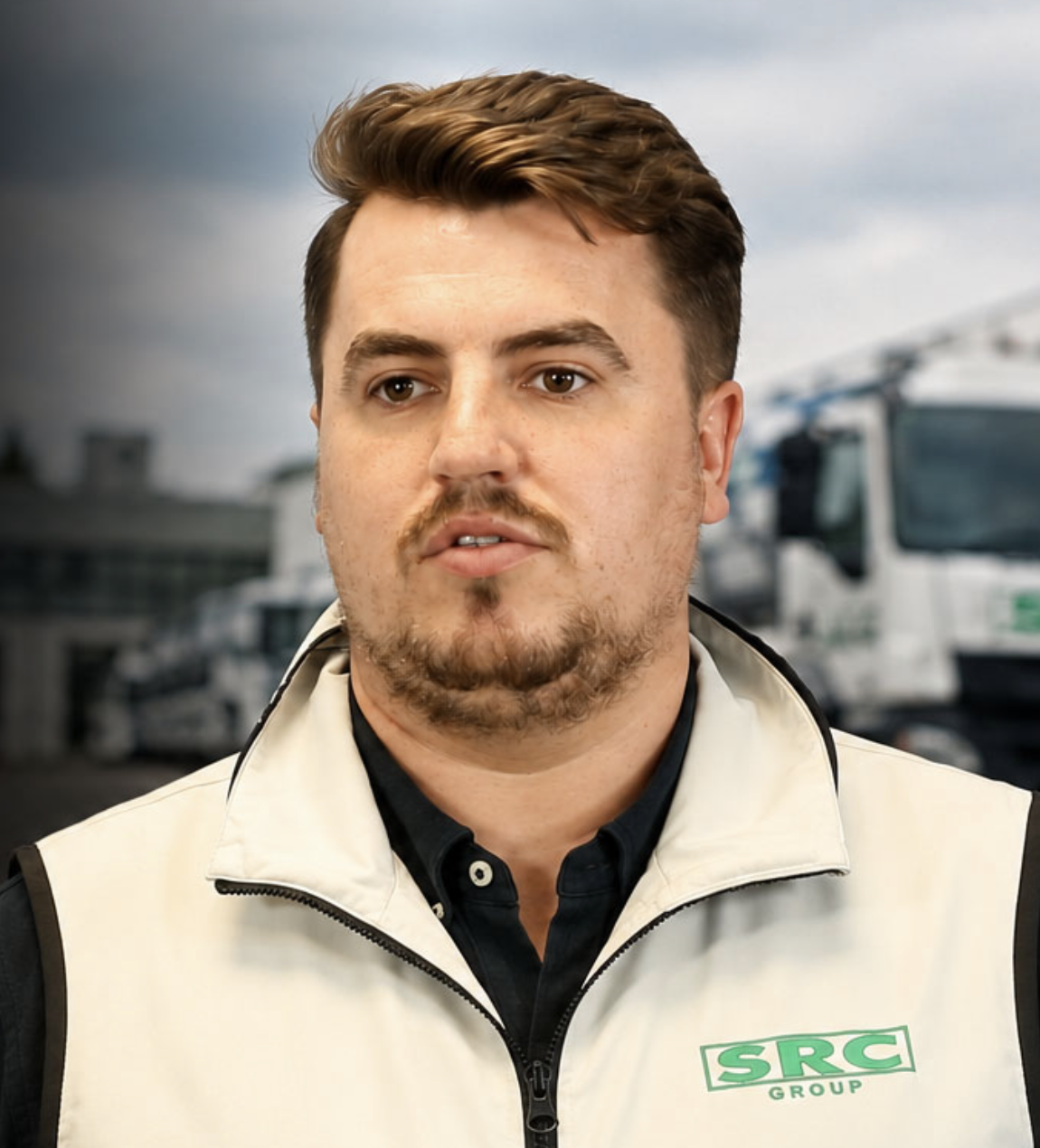
James Welham at SRC Group has answered it about as clearly as anyone we’ve heard:
Read that again and notice what he doesn’t say. He doesn’t say the cameras caught anybody. He doesn’t talk about evidence, or discipline, or building a file on someone. He talks about people realising something.
Why “realise” is the word that matters
Most attempts to change driver behaviour rely on telling. You tell someone they’re following too close. You tell them the mirror check didn’t happen. You tell them the phone stays in the door pocket. And telling, on its own, has a poor record, because the driver’s honest, sincere memory of the journey usually doesn’t match what you’re describing. They aren’t lying to you. They genuinely don’t remember it that way.
Nobody sets out on a shift intending to drive badly. The gap isn’t between good drivers and bad drivers. It’s between what happened and what someone remembers happening.
That gap is where camera technology earns its place. Not by punishing the behaviour, but by removing the argument about whether it occurred. Eight seconds of footage does something no toolbox talk can do: it lets a driver see their own shift from the outside. There’s nothing to defend against, because there’s no accusation. There’s just what happened.
And once someone has seen it, they can’t unsee it. That’s the realising James is talking about, and it’s the reason behaviour shifts and then in the majority of cases stays shifted.
The difference between a monitoring system and a coaching system
The technology in the cab can be seen as identical or either way. What separates the two is what happens in the twenty-four hours after an event is flagged.
In a monitoring culture, the footage travels upwards. It lands in a folder. It gets referenced later, usually when something has already gone wrong, usually in a conversation nobody enjoys. Drivers work out very quickly that the camera is a witness for the prosecution and they behave accordingly, which mostly means resenting it.
In a coaching culture, the footage travels sideways. It goes to the driver, quickly, while the shift is still fresh, and the conversation is short: here’s what the road looked like, what did you see at that point? Most of the time the driver spots it before you’ve finished the sentence.
Same hardware. Completely different outcome. The fleets that get value out of camera technology are almost always the ones that made that choice deliberately and early, and said so out loud to their drivers before the first in cab camera was fitted…
“I’ve seen a genuine improvement across the fleet, [our] drivers have embraced it and there are definitely less incidents”… what does that tell you!
What this means if you’re weighing it up
If you’re currently sitting on the fence wondering what to do next, the useful question isn’t “will my drivers accept cameras?” It’s “what am I going to do with the first serious event I see?”
Answer that honestly, tell your drivers the answer before installation rather than after, and the objection largely takes care of itself. Duck it, and no amount of technology will fix the atmosphere it creates.
James’s fleet is on the far side of that decision. His verdict is that it made both the driver and the business safer and he puts those two in the same sentence, in that order, which tells you something about how it landed on his yard.
Thank you to James, and to the team at SRC Readymix.
Customer story produced for Fleet Focus. Comments quoted with the customer’s permission. © Fleet Focus.
Book Your Free Trial
Take control of trailers, tools and equipment with Fleet Focus BLE tracking. Simple to install, low cost, fully integrated, and built for real fleets.