


BLOG
Cameras Don't Catch Drivers. They Protect Them.
Why the best fleet operators are using evidence to build trust rather than blame.
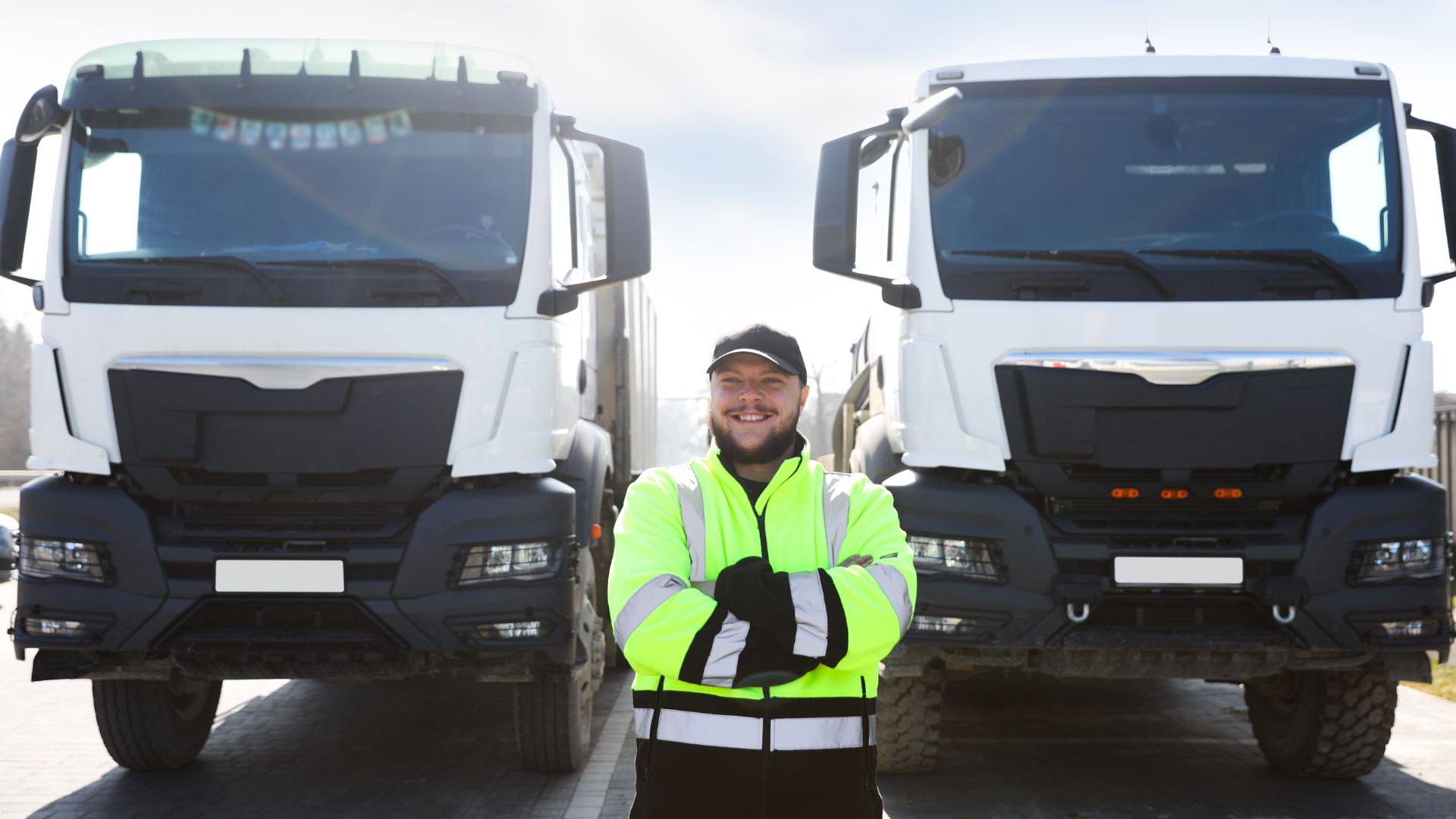
Mention in-cab cameras during a driver briefing and you’ll often get the same reaction.
“They’re just there to watch us.”
It’s an understandable concern. Professional drivers spend long hours behind the wheel, and the thought of another piece of technology monitoring every journey can feel intrusive. For fleet managers, introducing cameras is often one of the most sensitive conversations they’ll have with their workforce.
Interestingly, that conversation usually changes once the cameras have been in use for a few months.
Drivers who were initially sceptical often become the system’s biggest supporters, not because they’ve been persuaded by management, but because they’ve experienced what happens when a complaint is made against them and there’s clear evidence to show exactly what took place.
In many cases, the camera becomes the only independent witness.
That’s one of the biggest changes the industry has seen over the last decade. Cameras were once viewed primarily as a way of monitoring driver behaviour. Today, they’re just as valuable for protecting professional drivers from false allegations and providing the context that traditional telematics simply cannot.
Every fleet manager has looked at a report showing harsh braking, rapid acceleration or speeding events. Those reports are useful, but they only tell part of the story.
A harsh braking event might indicate poor anticipation, or it might show a driver avoiding a child who has run into the road. A sudden swerve could be careless driving or the reaction needed to avoid another road user.
The data records what happened.
Video explains why.
That distinction changes the entire coaching process.
Instead of sitting down with a driver armed only with graphs and exception reports, managers can have informed conversations based on evidence. Rather than making assumptions, they can understand the circumstances surrounding an event and decide whether coaching, recognition or no action at all is the appropriate response.
Good drivers appreciate that difference.
Nobody wants to be judged purely by numbers, particularly when those numbers don’t tell the full story. Video footage provides the missing context, allowing transport managers to distinguish between genuinely risky behaviour and professional driving under difficult circumstances.
It also helps build trust.
Fleet Focus has found that the most successful camera implementations don’t begin with technology. They begin with communication. Drivers need to understand what is being recorded, who has access to the footage and, perhaps most importantly, why the system has been installed in the first place.
When cameras are presented purely as a disciplinary tool, resistance is almost inevitable.
When they’re introduced as a way of protecting drivers, resolving disputes quickly and improving safety across the fleet, the conversation changes completely.
That matters because the challenges facing fleet operators continue to grow.
The latest road casualty statistics show that almost 30,000 people were killed or seriously injured on Britain’s roads during 2025. Fatigue, distraction and inattention remain significant contributory factors in many serious collisions, particularly within commercial vehicle operations. While tachographs record compliance with drivers’ hours regulations, they cannot identify a driver who is legally compliant but showing signs of tiredness or distraction.
Modern AI camera systems can provide that additional insight.
Used responsibly, they give operators another opportunity to intervene before a near miss becomes a collision. Combined with telematics, Driver ID and clear operating policies, they create a far more complete picture of driver performance than figures alone ever could.
Perhaps that’s why attitudes towards in-cab cameras are changing across the industry.
The best fleet operators no longer see them as surveillance equipment. Drivers increasingly see them as protection. Managers see them as a coaching tool. Insurers value them as evidence. Together, they help create a fairer environment where decisions are based on facts rather than assumptions.
For Fleet Focus, that’s the real purpose of connected camera technology.
It’s not about catching people out.
It’s about giving drivers, managers and businesses confidence that when questions are asked after an incident, the answers are based on what actually happened—not on guesswork or conflicting opinions.
Because when trust is built on evidence, everyone benefits.
Every fleet is different.
The challenges facing a local authority fleet aren’t the same as those affecting a national haulage operator or a construction contractor. That’s why Fleet Focus doesn’t believe in one-size-fits-all solutions.
If you’d like to see how the technology can support your operation, we’d be delighted to arrange a demonstration tailored to your fleet.
Find out more at www.fleetfocus.co.uk or speak to one of our specialists.
Customer story produced for Fleet Focus. Comments quoted with the customer’s permission. © Fleet Focus.
Book Your Free Trial
Take control of trailers, tools and equipment with Fleet Focus BLE tracking. Simple to install, low cost, fully integrated, and built for real fleets.
Quick navigation