




BLOG
Understanding Video Telematics: Smart Solutions for Fleet Management
What is Video Telematics?
In today’s fast-moving and data-driven logistics landscape, fleet operators face growing challenges around safety, compliance, and cost efficiency. Enter video telematics – a powerful solution that merges vehicle tracking, video monitoring, and data analytics into a single platform.
Video telematics combines cameras (typically dashcams and in-cab systems) with telematics technology, enabling real-time data collection, behavioural analysis, and visual context for every journey and event. This fusion of video and data allows fleet managers to monitor what’s happening inside and around their vehicles, while also understanding why incidents occur.
Unlike traditional telematics systems, which offer insights such as location, speed, and braking events, video telematics goes a step further — offering visual verification of risky behaviours like mobile phone use, fatigue, and smoking, and providing a crucial layer of accountability and protection.
Modern video telematics systems like those from Fleet Focus also use AI-powered detection to flag specific behaviours in real-time. That includes identifying signs of distraction, recognising driver identity through facial recognition, and even alerting operators when seatbelts aren’t worn. This proactive approach enables swift intervention and better coaching opportunities — ultimately reducing risk before it turns into a costly incident.
As fleets continue to grow in size and complexity, the ability to see beyond the data has never been more valuable. Video telematics helps connect the dots between driver performance, vehicle health, and road conditions — giving fleet managers the power to make faster, smarter, and more informed decisions.
Benefits of Video Telematics
Adopting video telematics isn’t just about adding another layer of surveillance — it’s about unlocking operational efficiency, improving safety, and cutting costs across the board. Here’s how:
1. Enhanced Driver Safety
Video telematics enables real-time identification of high-risk behaviours like speeding, harsh braking, and distraction. Alerts and video clips provide a clear basis for targeted driver coaching, reducing the likelihood of collisions and near-misses.
2. Reduced Insurance Costs and Claim Disputes
With high-definition video evidence, fleets can quickly resolve disputes and defend drivers in the event of false claims or crash-for-cash scams. This leads to faster claim resolution and, in many cases, lower insurance premiums.
3. Lower Fuel and Maintenance Costs
By monitoring driving styles — including idling, harsh acceleration, and aggressive braking — operators can encourage more economical driving habits. This results in fuel savings of up to 20% and reduced vehicle wear and tear.
4. Improved Compliance
Video telematics can automatically detect behaviours that may breach road safety regulations or company policies, supporting internal compliance monitoring and external audit requirements.
5. Increased Driver Accountability and Productivity
When drivers know that behaviour is being monitored in a fair and consistent way, they’re more likely to adopt safer, more professional habits. Plus, automated systems like AI Face Match ensure accurate journey assignment and eliminate manual administration.
How Video Telematics Works
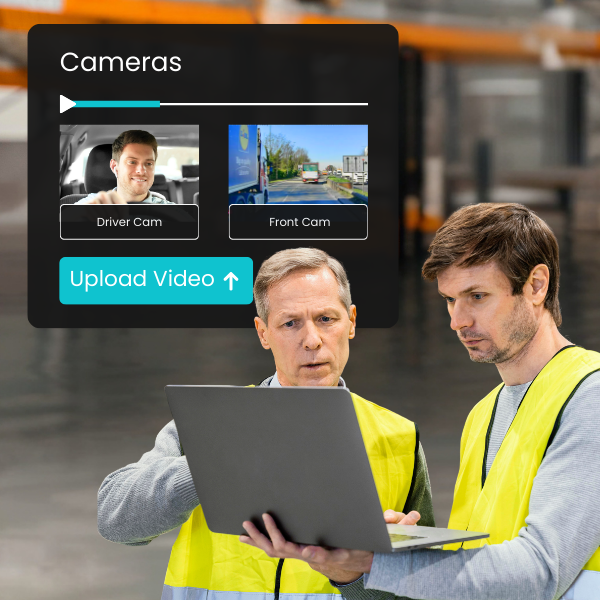
At its core, a video telematics system consists of connected in-vehicle cameras and telematics units that work together to collect, analyse, and transmit data to a central platform. Here’s a breakdown of the key components and processes:
1. Cameras (Front-Facing, Driver-Facing, or Multi-Camera Setups)
These capture live video from the road and inside the cab. AI-capable cameras can detect specific events such as mobile phone use, fatigue, smoking, and seatbelt non-compliance in real time. Fleet Focus combine cameras, GPS tracking and telematics into one device for seamless operation and to prevent cost duplication.
2. Telematics Device
Older systems require an additional telematics devices to be installed in the vehicle, this unit collects GPS data, vehicle diagnostics, speed, and acceleration/deceleration metrics. It acts as the brain of the system, syncing video footage with data points to create full event context.
3. AI Detection Engine
Advanced systems apply AI to analyse driver behaviour and road conditions, automatically flagging issues such as distraction, lane departure, or tailgating.
4. Cloud-Based Platform
All video clips, alerts, and analytics are transmitted to a secure cloud portal where fleet managers can view real-time footage, download reports, and track trends over time.
5. Alerts and Coaching Tools
Event-triggered alerts are sent to fleet managers in real-time, allowing for immediate action. Performance dashboards and driver scorecards support ongoing coaching and training initiatives. This fully integrated approach ensures that every critical event is captured, verified, and actionable.
Future Trends in Video Telematics
The video telematics space is evolving fast, driven by advances in artificial intelligence, automation, and cloud infrastructure. Here are some key trends shaping the future of fleet management:
1. Wider Use of AI and Machine Learning
Expect greater use of predictive analytics, where AI not only identifies current risks but also forecasts potential incidents based on historical patterns and environmental conditions.
2. Increased Automation
Manual driver identification, incident logging, and coaching schedules will increasingly be replaced by automated workflows, saving time and improving accuracy. Systems like AI Face Match already remove the need for key fobs or login codes.
3. Integration with Other Fleet Systems
Video telematics will become even more tightly integrated with maintenance scheduling, fuel monitoring, and HR systems, offering a unified view of operations across the business.
4. Enhanced Privacy and Data Protection
With greater use of in-cab cameras, systems will need to offer advanced privacy safeguards, configurable permissions, and GDPR-compliant data handling.
5. Edge Computing for Real-Time Analysis
To minimise latency, next-gen systems will conduct more processing directly within the vehicle (at the “edge”), allowing instant insights even in poor signal areas.
As technology continues to mature, video telematics will move from being a “nice-to-have” to an essential tool in the modern fleet manager’s arsenal.
Ready to Take Control?
Fleet Focus provides advanced video telematics solutions built for real-world fleets. Whether your priority is reducing accidents, cutting costs, or boosting driver performance, our platform gives you the insight and tools to drive meaningful results.