


BLOG
One Camera. One Decision. A Driver’s Career Saved.
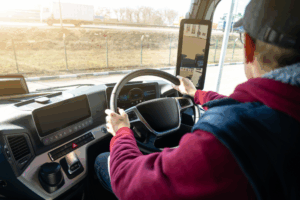
It was pitch black. A cyclist with no lights. No hi-vis. An incident that, without the right technology on board, could have destroyed a driver’s livelihood and left a business seriously exposed.
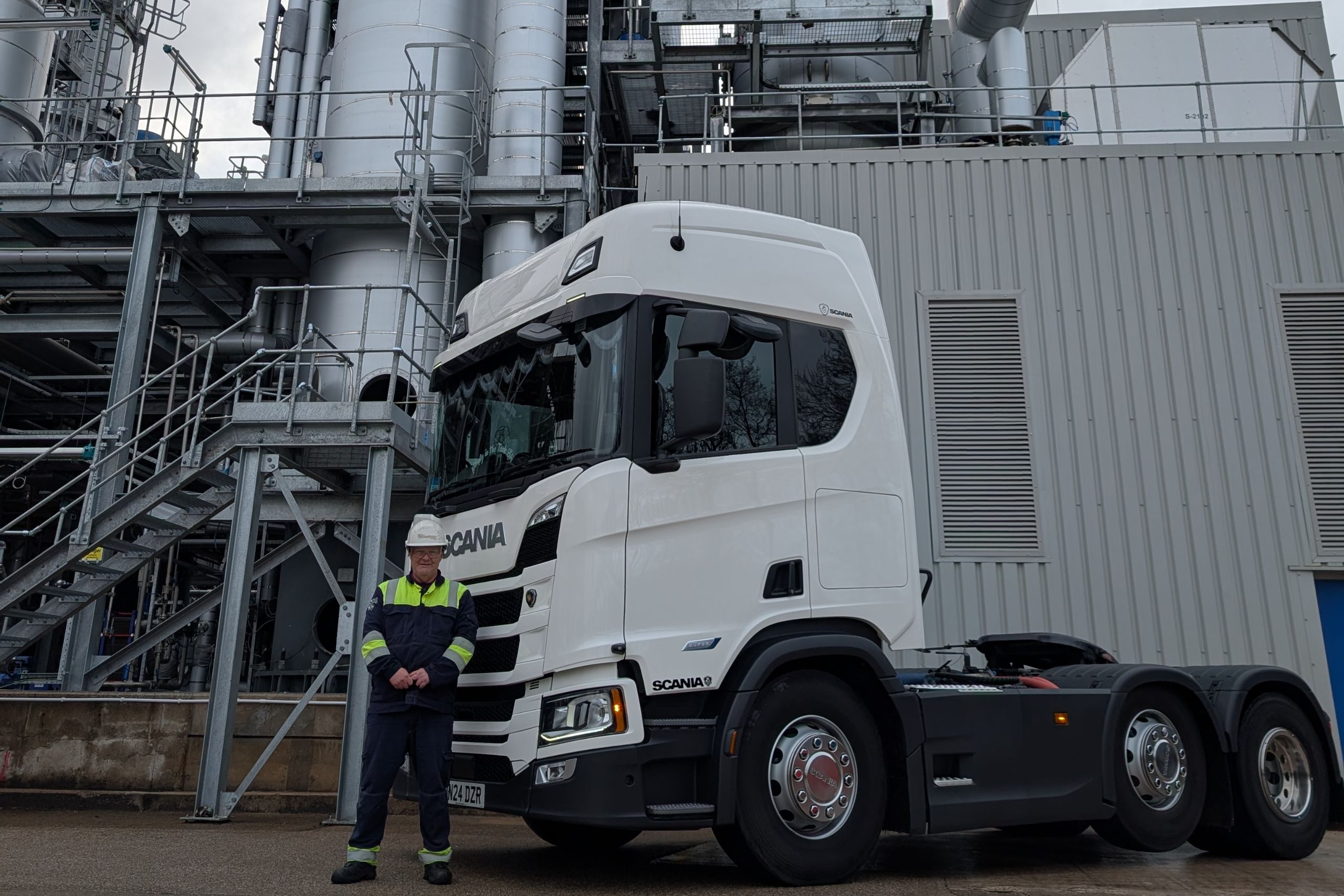
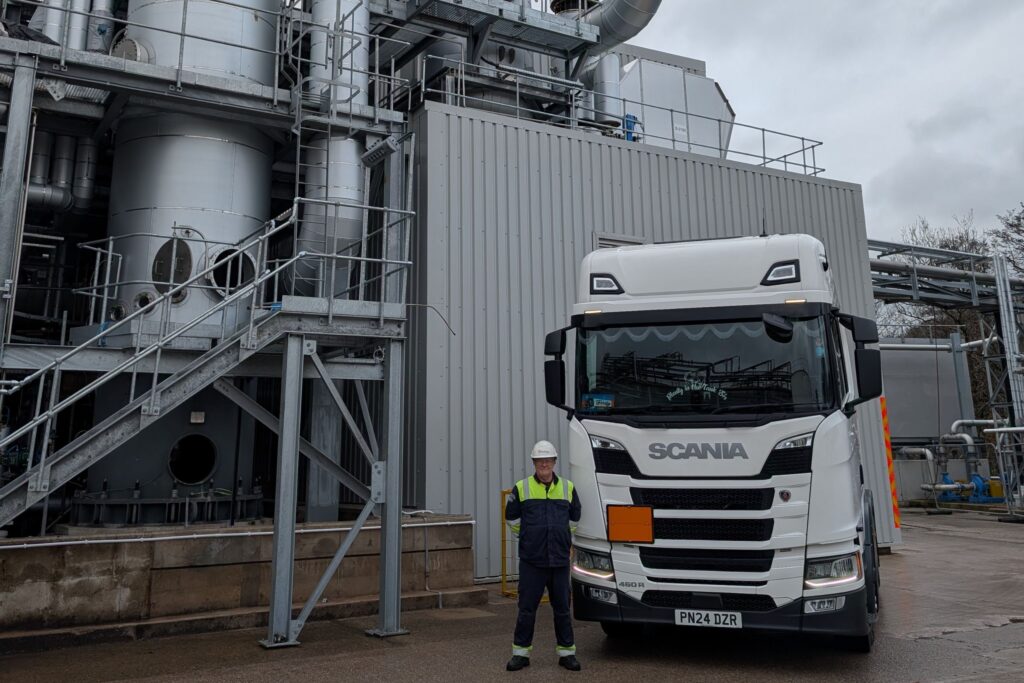
This is a real story from Synthite, one of our customers. And it is exactly why vehicle camera systems are no longer optional for responsible fleet operators.
What Happened
Early one morning, a Synthite driver was involved in a serious road incident with a cyclist. The conditions were extremely difficult — complete darkness, with the cyclist carrying no lights and no reflective clothing, making them virtually invisible to any vehicle on the road.
When police arrived at the scene, both the driver and the cyclist were breathalysed. The cyclist was found to be over the drink drive limit and had other substances in their system. Officers were then able to review the footage captured by the Fleet Focus 3-camera DVR system fitted to the Synthite vehicle — recording simultaneously from the front, nearside and offside — alongside their own findings.
The footage told an unambiguous story. In those conditions, there was nothing the driver could have reasonably done differently. The driver was completely vindicated. So was the business.
“Seeing the footage for himself was a huge relief. It confirmed what he already knew — there was virtually nothing he could have done that morning. That kind of clarity is priceless when someone’s career is on the line.”
The Decision That Made the Difference
Here is what makes this story particularly powerful. Julian, Synthite’s fleet manager, had initially considered not fitting camera systems to this vehicle. He pushed for it anyway. That single decision — to install — protected his driver, protected the business, and delivered evidence that no witness statement alone could ever have provided.
It is a reminder that the vehicles you consider lowest risk are sometimes the ones that need cameras most.
How the Fleet Focus 3-Camera DVR System Works
The system fitted to the Synthite vehicle provides continuous multi-angle recording across three cameras — front-facing, nearside and offside. This gives complete coverage of the road environment around the vehicle, eliminating the blind spots and partial views that a single forward-facing camera simply cannot provide.
Footage is recorded continuously onto the DVR unit and stored securely on board the vehicle. In the event of an incident, that footage can be retrieved and reviewed quickly — providing fleet managers, drivers and, when necessary, police and insurers with clear, timestamped, multi-angle evidence of exactly what happened and from every relevant angle.
In the Synthite case, having three camera angles was critical. The nearside and offside coverage, combined with the forward-facing view, gave a complete and unambiguous picture of the incident — the kind of evidence that is simply not possible with a dashboard camera alone.
The Highway Code, the Hierarchy of Road Users, and Why It Matters for Fleet Operators
In January 2022, the Highway Code was significantly updated with the introduction of a formal ‘Hierarchy of Road Users’. This is something every commercial fleet operator needs to understand.
The hierarchy places road users at greatest risk of harm at the top — pedestrians first, then cyclists, horse riders and motorcyclists, followed by car and van drivers, with bus and HGV operators at the bottom. The lower you sit in the hierarchy, the greater your legal and moral responsibility to reduce the danger you pose to others. For commercial vehicle operators, this is significant. Under Rules H1, H2 and H3, drivers of large goods vehicles now carry the greatest responsibility for the safety of vulnerable road users around them, and non-compliance can be used as evidence in court to establish liability.
However — and this is a crucial point — the hierarchy does not remove responsibility from other road users. Rule H1 makes clear that every road user must behave responsibly and take accountability for their own safety. In the Synthite case, the cyclist was travelling in complete darkness with no lights and no hi-vis, and was subsequently found to be over the legal drink drive limit. The camera footage, alongside the police’s own findings, demonstrated clearly that the Synthite driver had not breached their duty of care.
Without that footage, the outcome could have been very different. In a legal and insurance landscape where commercial operators are increasingly held to the highest standard of accountability, video evidence is no longer a nice-to-have. It is essential.
The Bottom Line
Julian from Synthite summed it up well. This happened on a vehicle they nearly didn’t fit cameras to. His decision to go ahead with the installation protected a driver’s career, shielded the business from serious legal exposure, and gave the police the evidence they needed to reach the right conclusion.
If you are running a commercial fleet and still weighing up whether vehicle camera systems are worth the investment, ask yourself one question: what would it cost you if this happened to one of your drivers tomorrow?
Talk to Fleet Focus today about how our camera systems can protect your drivers, your vehicles, and your business.
Drive Safety. Drive Efficiency. Drive Results.
Book Your Free Trial
Take control of trailers, tools and equipment with Fleet Focus BLE tracking. Simple to install, low cost, fully integrated, and built for real fleets.
Quick navigation